featured
2026-11-18
Fraud Prevention
published
3 minutes
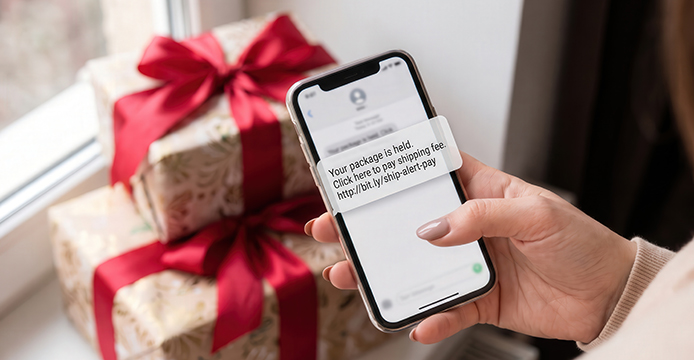
This guide outlines key strategies to recognize and prevent seasonal fraud, including fake delivery alerts, fraudulent charities, and spoofed retail websites. It provides actionable advice to protect financial accounts and ensure a secure holiday shopping experience.
The holiday season is one of the brightest times of the year. From finding the perfect gifts for your family and decorating your home to supporting local charities, it is a season filled with festive cheer and busy schedules. Between managing end-of-year purchases, keeping track of shipping updates, and planning family gatherings, your days are likely packed.
Unfortunately, scammers know that the holiday rush creates the perfect opportunity to catch people off guard. Fraudsters rely on the extra noise, stress, and rush of the season to slip past your defenses with convincing tricks.
At BNC National Bank, we believe that managing your finances should bring you confidence and peace of mind—especially during the holidays. You deserve to focus on creating memories with the people who matter most without worrying about financial fraud. By understanding how common seasonal scams work and adopting a few simple security habits, you can protect your hard-earned money and keep your holiday bright.
Understanding the Holiday Scam Landscape
Why do financial scams spike between November and January? The answer comes down to volume and urgency. During the holiday shopping season, online purchases reach record highs, package deliveries flood your doorstep, and generous donors look for ways to give back to their communities.
Scammers exploit this increase in activity by creating a false sense-of-urgency. They hope that in the middle of your busy day, you will click a quick link or confirm account information without taking a second look.
Here are 4 of the most common seasonal tactics fraudsters use today:
- Fake Delivery Alerts: Fraudsters send text messages or emails claiming that a package delivery is delayed, requires a small fee, or needs updated address information.
- Spoofed E-Commerce Websites: Scammers build websites that look nearly identical to popular, trusted retailers. They offer unbelievable deals on high-demand items to steal your payment details.
- Unverified Charity Scams: Fraudsters posing as nonprofit organizations reach out via email, social media, or phone calls, taking advantage of your goodwill during the season of giving.
- Gift Card & Wire Transfer Demands: Fraudsters impersonate customer support representatives, government agencies, or even family members, demanding immediate payment through gift cards or wire transfers.
Real-Life Scenarios: How Scams Look in Action
Recognizing a scam in your daily routine is much easier when you know what to watch out for. Here are 3 realistic scenarios that highlight how fraudsters try to trick shoppers during the holidays:
Scenario 1: The Last-Minute Delivery Text
Imagine you are waiting on a critical gift for a family member's holiday party. You receive a text message from an unrecognized number: "Shipping Alert: Your package is on hold due to an incomplete delivery address. Click here to update your details within 24 hours."
Because you're expecting multiple packages, your first instinct might be to tap the link. However, this is a classic phishing attempt designed to capture your credit card details or login credentials. Real shipping carriers and banks won't send unexpected texts demanding immediate personal details through unverified links.
Scenario 2: The Too-Good-To-Be-True Online Store
While searching online for a hard-to-find toy, you come across a social media ad offering the exact item at a 70% discount. The website looks polished, complete with holiday banners. You quickly add the item to your cart and enter your card details.
Unfortunately, the item never arrives, and the website vanishes days later. Scammers set up temporary storefronts during peak shopping months to gather payment details from excited shoppers.
Scenario 3: The Urgent Charity Request
You receive a phone call from an organization with a name very similar to a local charity. The caller asks for an immediate donation to help local families before the weekend. When you offer to send a check, they insist that you pay right away over the phone using a prepaid gift card.
Legitimate charities welcome your support, but they will never pressure you into using untraceable payment methods like gift cards.
5 Simple Steps to Protect Your Finances This Season
Protecting your accounts doesn't require complex technical tools. Implementing a few straightforward habits will give you the upper hand against fraudsters:
- Verify Shipping Notifications Directly: If you receive a text or email about a delayed delivery, don't tap the link in the message. Instead, open a new browser window, log directly into the merchant's official site, or check your account dashboard to view legitimate tracking status.
- Shop on Secure and Trusted Platforms: Before entering card information on a new website, look for the padlock icon in the browser address bar and verify that the URL starts with
https://. Whenever possible, use credit cards or secure digital wallets, which offer stronger fraud protection than direct debit transactions. - Research Charities Before You Give: Ensure your donations reach genuine organizations. You can check a non-profit's status on verified rating databases like Charity Navigator or Candid. If you want to support a local cause, contact the organization directly through their official phone number or website.
- Never Pay with Gift Cards: Treat gift cards like cash for personal present-giving only. No legitimate business, utility company, government agency, or charity will ever ask you to pay a fee or bill with gift cards.
- Turn On Real-Time Account Alerts: Enable transaction notifications on your BNC banking accounts. Getting immediate alerts for purchases allows you to spot unauthorized activity right away and report it before further charges occur.
Why Financial Security Gives You True Peace of Mind
Staying proactive about your security is about far more than protecting dollars and cents—it's about keeping your holiday experience stress-free. When you know your accounts are secure and you have clear habits in place, you can move through the season with confidence. You can focus on the warmth of family traditions, local community events, and the joy of giving, knowing that your financial well-being is safeguarded.
We Are Here to Help You Navigate the Season
At BNC National Bank, we're proud to offer the security and stability of a national bank alongside the personal, hands-on support of a trusted neighbor. You never have to navigate financial questions or safety concerns alone. Our local team knows you by name, and we're committed to providing the clear, jargon-free guidance you need to protect your accounts.
If you ever notice suspicious activity on your account, suspect you clicked a fraudulent link, or simply want advice on setting up security alerts, reach out to us right away. Stop by your local branch or give our team a call—we're always here to support you.
Subscribe to our Blog!

Life's Important Moments
July 28, 2026
The Ultimate 2026 Campus Carry: A Financial Plan That Works as Hard as You Do
How can college students level up their campus finances using community bank checkin...

Personal Loan
May 31, 2026
Knowing Your Score: Your Financial GPA
You know your academic GPA, but did you know your credit score acts as your financia...

Personal Loan
March 21, 2026
When Is the Best Time to Buy a Camper? Seasonal Insights
When do dealers offer the best end-of-season camper sales? ...